Our Tom-Tom GPS
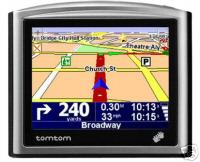
After seeing a small hand-held GPS unit that Linda's younger son and wife had purchased, we found that we had more and more of an urge to get a GPS unit for ourselves. We decided to "share" a Tom-Tom One hand-held GPS unit with each other for a Valentine's Day present.
Since we have obtained our Tom-Tom GPS unit, we have found yet another use for it that we hadn't thought of before we bought it. We discovered that the Tom-Tom was programmed with most of the businesses in a particular area, especially restaurants and gas stations —as well as hopsitals. Most of the time, we no longer have to search for that more and more rare commodity (a local telephone book).
We especially liked the small size of the unit, since it could be slipped into a shirt pocket or hand bag, and was easy to carry around.
We enjoyed using our Tom Tom for several years, but we were disappointed that we could not download updated maps from the Tom-Tom website, even though we were authorized one freebie.
Later on, we discovered from other RVers that there was an add-on available (for most GPs units) that contained all sorts of good info and locations on RV parks, places to camp, fuel stops, etc. Linda was quite disappointed when she inquired about the add-on and was told that it was not compatible with the Tom Tom GPS unit that we had. Darn!
However, we got along just fine with "Richard" (the nick name given to our Tom Tom GPS unit) until he started having more than an occasional "senior moment." We lived with the inconvenience for quite awhile—until we became increasingly frustrated at constantly having to restart the unit (and hope that its memory would return).
We finally gave up on Richard, after his years of service, and we purchased a more modern GPS unit.
Return to the Main page or click Continue to go to the Our Garmin GPS section
Back to Main Page |
Continue to Next |
|
|
|

